

All celestial events in UAE 2025: Supermoons, meteor showers and more
Know the key dates for stargazing and rare cosmic spectacles across UAE skies
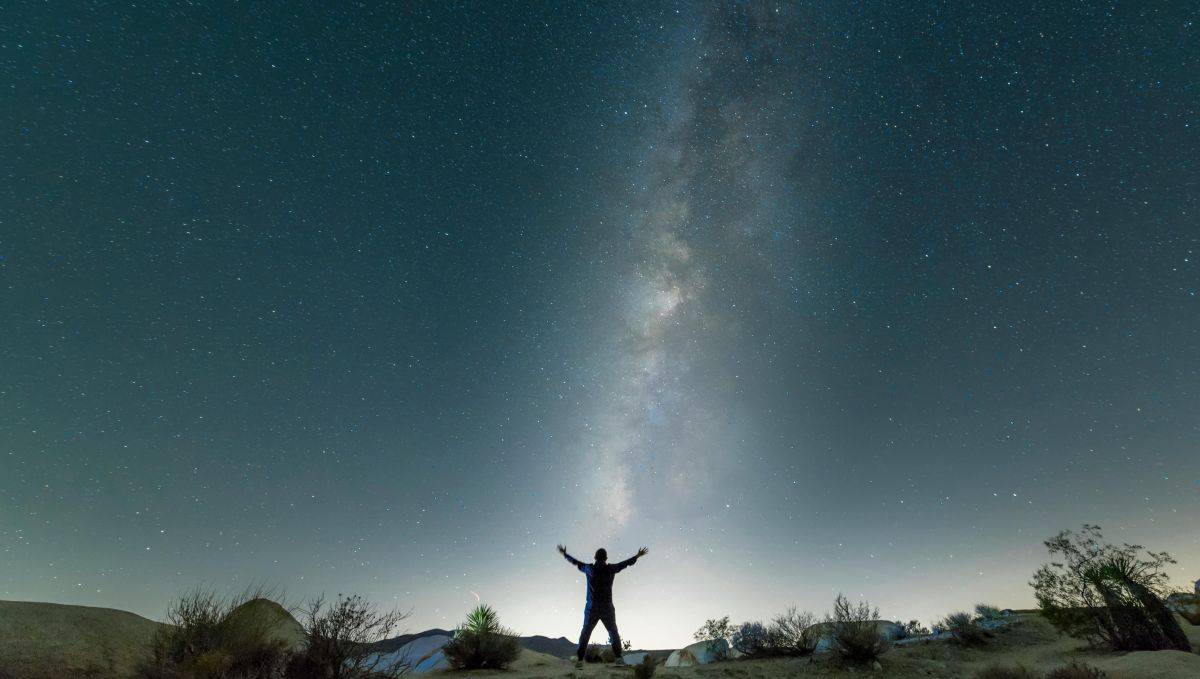
DUBAI – The skies over the United Arab Emirates (UAE) are preparing to deliver a remarkable year of astronomical wonders.
With glowing supermoons, dazzling meteor showers and rare planetary oppositions, residents and visitors alike will have multiple chances to look up and witness natural spectacles.
Whether equipped with a telescope or simply enjoying the view with the naked eye, the desert and clear city skies will provide front-row seats to some of the year’s most stunning cosmic events.
Planetary highlights
On 21st September, Saturn reaches opposition, shining brighter and appearing larger than usual. Its iconic rings will be visible, making it one of the best opportunities of the year for planet spotting.
Later in the year, on 7th December, Jupiter will be at opposition, dominating the night sky from sunset to sunrise. This will be the closest the gas giant comes to Earth in 2025, a prime occasion for stargazers to capture its detail through telescopes.
Supermoon spectacles
The first of three late-year supermoons rises on 7th October, known as the Hunter’s Moon, the brightest of the year. This is followed by the Beaver Supermoon on 5th November, a traditional marker of the season when beavers prepared for winter.
The final appearance comes on 4th December with the Cold Moon, the last and most wintry supermoon of 2025. All three will appear larger and more luminous than usual, easily visible without any special equipment.
Meteor showers
The Orionids Meteor Shower peaks on 21st and 22nd October, offering around 20 meteors per hour. Desert locations such as Al Quaa or Al Qudra will provide the darkest skies for viewing.
In November, the Leonids Meteor Shower reaches its peak on 17th and 18th November, sending bright streaks across the horizon.
The year closes dramatically with the Geminids Meteor Shower on 13th and 14th December, one of the strongest showers of the year, producing as many as 120 meteors per hour in vibrant colours.
Looking further ahead, astronomy enthusiasts may wish to note a rare solar eclipse in August 2027, expected to be visible from the region. It promises to be a once-in-a-lifetime spectacle worth planning for in advance.